Skip to content
Solutions

Workforce Scheduling Software for Modern Teams

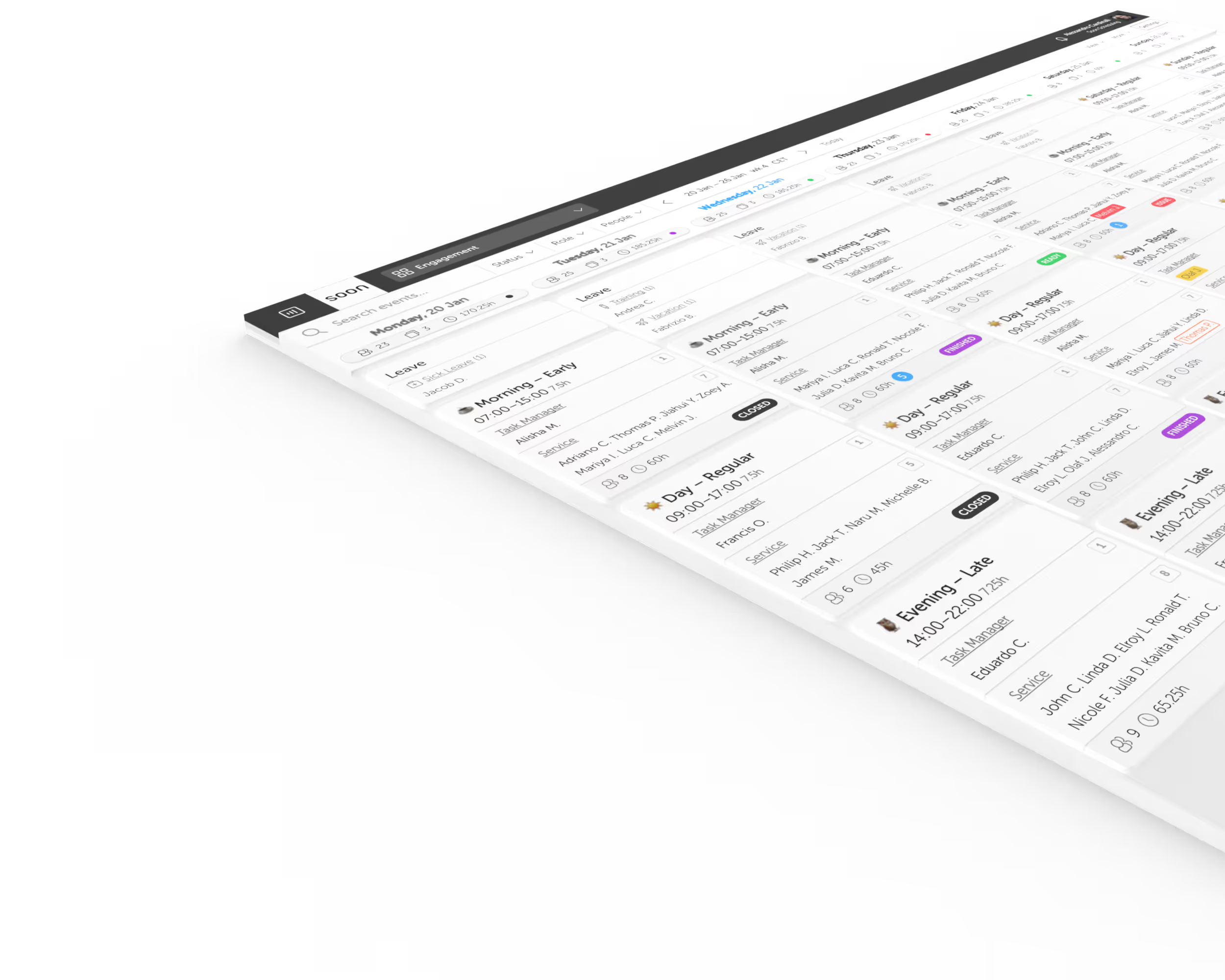
Plan staffing, build schedules, manage leave, adjust the day as it changes, and give employees a clear self-service experience in one system. If you're running scheduling in spreadsheets or wrestling with an older workforce management software stack, Soon gives you a faster way to plan, see problems early, and keep every location aligned.

01

A better way to plan work across teams

Basic staff scheduling tools help you fill shifts. Soon helps you run the whole operation around them.

This is workforce planning software built for real operating teams. You get one place to see who is working, where coverage is thin, what changed during the day, and what to fix next.

  • build weekly schedules without starting from scratch
  • forecast demand and turn it into smarter staffing plans
  • manage intraday changes without losing overview
  • handle leave, availability, and employee requests in the same workflow
  • coordinate coverage across teams, roles, and locations
02

Where legacy scheduling breaks down

Most teams don't start with workforce scheduling software. They start with a spreadsheet, a shared calendar, or a tool that only covers the first layer of scheduling.

That works until the schedule gets more complex.

Legacy workforce management software solves some of this, but often with too much overhead. It is expensive, slow to roll out, and built for teams that can afford months of setup. Soon gives teams the control they need without dragging them into an enterprise implementation.

  • planning lives in one place, time off in another, and day-of changes in chat or email
  • managers spend hours checking coverage manually
  • multi-location coordination depends on whoever remembers to update the sheet
  • compliance and fairness become harder to track
  • there is no clear view of what is happening during the day, only what was planned at the start
03

How Soon works across planning, changes, and team coordination

Soon brings the key parts of workforce management into one operating view.

Plan the week with more confidence. Create labor schedules around real staffing needs, not guesswork. Build shift structures, assign the right people, and reuse what works. If your demand changes week to week, Soon helps you generate better schedules faster.

Connect scheduling with forecasting. For teams that need a stronger planning layer, forecasting helps you prepare the schedule before coverage becomes a problem. You can move from expected demand to staffing decisions without stitching together separate tools.

Manage the day after the schedule is published. The workday does not stay still. Soon helps managers react to changes, adjust coverage, and manage intraday work without losing sight of the bigger plan. That is the gap between a basic rota tool and real workforce scheduling software.

Keep employees in the loop. Employees can see their schedule, manage availability, request swaps, and stay on top of changes through self-service. Managers keep control, but the admin burden drops.

Coordinate across locations and teams. If you are scheduling across multiple teams, service points, or locations, Soon makes it easier to keep everyone aligned. You can see coverage, spot conflicts, and make changes without rebuilding the whole plan in a spreadsheet.

04

Why teams switch from spreadsheets and older WFM tools

Teams move to Soon when their current setup starts costing too much time, too much manual checking, or too many mistakes.

Soon gives you a modern workforce management software experience without the usual tradeoff between capability and usability. You can schedule at team level, coordinate at operational level, and still keep the workflow simple enough for everyday use.

  • more practical than spreadsheets, where every change creates more admin
  • easier to adopt than legacy WFM suites that expect specialist setup
  • broader than basic scheduling tools that stop at shift creation
  • clearer for managers who need visibility, not just a finished rota

Explore the product behind the page

See the features and tools that make this possible.

Frequently asked questions

What makes workforce scheduling software different from a basic rota tool?

A rota tool helps you place people into shifts. Workforce scheduling software covers the wider planning workflow around that schedule. Soon combines scheduling, forecasting, intraday management, leave, and employee self-service so managers can plan ahead and still react during the day.

Who is Soon for?

Soon is a strong fit for teams that have outgrown spreadsheets, Microsoft Teams Shifts, or simple staff scheduling software. That includes growing teams, multi-location operations, and managers who need better visibility without taking on a heavy enterprise WFM rollout.

How does Soon help with planning and changes during the day?

Soon helps before and after the schedule is published. You can build stronger schedules, forecast staffing needs, and then manage intraday changes, coverage gaps, and team coordination from the same system.

Why choose Soon over spreadsheets or older workforce management software?

Spreadsheets are flexible, but they create manual work and hide risk. Older workforce management software can be powerful, but it is often complex and slow to adopt. Soon gives teams a more modern path: enough depth for real planning, without the overhead of a legacy suite.

Can Soon support multi-location teams?

Yes. Soon is designed to make cross-team and multi-location coordination easier, with better visibility into coverage, assignments, and changes across the operation.

What should I do next if I want to evaluate Soon?

Start with the product overview if you want the broad picture, go straight to pricing if you are comparing options, or book a demo if your team needs a closer look at fit.

Your next schedule could take 2 minutes.

Import your team, set your rules, hit auto-fill. Most teams are live the same day.

Try Soon free

30 days free · No credit card required

Already have an account? Sign in