Skip to content
Solutions

Workforce management software for SMB teams that need more than a rota

Small and midsize businesses often hit the point where simple scheduling is not enough, but enterprise WFM feels like too much. The gap is real: you need better planning, forecasting, and day-of control without months of setup.

  • Weekly schedules exist, but there is little confidence behind staffing levels
  • Managers make day-of changes without a clear shared view
You might have asked

“We need more than scheduling, but not a giant corporate platform.”

“The operation has more moving parts than our current tool can handle.”

“I want better planning depth without buying implementation pain.”

What this usually means

What this search usually means in real life

This search tends to come from growing operations teams that have real planning needs now. Scheduling, leave, capacity, and daily adjustments all affect each other, but the current setup treats them as separate jobs.

That is where workforce management starts mattering, even for SMBs.

Weekly schedules exist, but there is little confidence behind staffing levels

Managers make day-of changes without a clear shared view

Forecasting and scheduling sit in different tools or spreadsheets

Coverage is checked manually instead of continuously

The team wants structure without an enterprise implementation project

Where it breaks

What is probably going wrong

The best SMB WFM setups do not copy enterprise complexity. They bring the key operating decisions into one workflow so managers can plan, adjust, and communicate without extra drag.

That usually means better forecasting, clearer capacity signals, and stronger intraday control.

Weekly schedules exist, but there is little confidence behind staffing levels

Managers make day-of changes without a clear shared view

Forecasting and scheduling sit in different tools or spreadsheets

Coverage is checked manually instead of continuously

The team wants structure without an enterprise implementation project

What to fix

What to fix first

Most teams do not need a dramatic overhaul first. They need a cleaner operating loop so planning, changes, and execution stop fighting each other.

Bring planning, scheduling, and day-of changes closer together

Use forecasting where demand volatility makes gut feel unreliable

Track coverage and exceptions continuously, not only at publish time

Choose software that managers can adopt quickly

Focus on usable control, not on buying every enterprise feature

Read this next

Where Soon helps

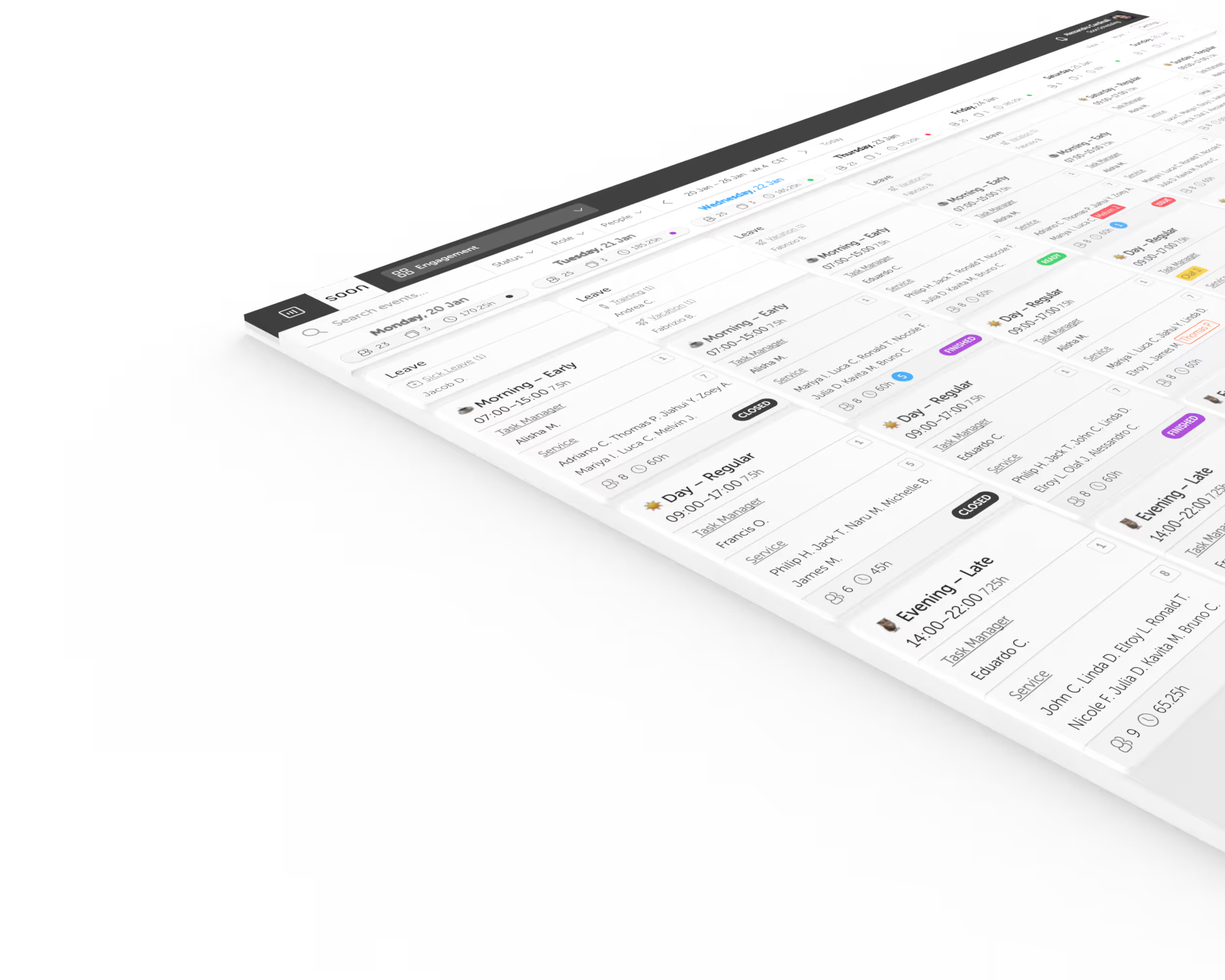
Soon is built for the middle ground many SMBs actually need. It goes beyond a basic scheduling app with forecasting, intraday management, and stronger operational visibility, while staying far lighter than a legacy enterprise WFM suite.

That makes it a strong fit when growth has made manual coordination too risky.

Read next

Keep going with the pages that matter most here

If this problem sounds familiar, these are the next places worth reading.

FAQ

A few questions that usually come next

What is the difference between scheduling software and WFM for SMBs?

Scheduling covers the rota itself. WFM adds planning depth around forecasting, coverage, attendance, and day-of operational control.

When should an SMB move beyond a basic scheduling tool?

Usually when schedule quality depends on demand patterns, multiple teams, or frequent day-of changes that the basic tool does not handle well.

Your next schedule could take 2 minutes.

Import your team, set your rules, hit auto-fill. Most teams are live the same day.

Try Soon free

30 days free ยท No credit card required

Already have an account? Sign in