Skip to content
Solutions

How to track remote team productivity without pretending hours equal output

Remote teams make one truth obvious: being online is not the same as moving work forward. If you want to track productivity well, you need visibility into flow, bottlenecks, and handoffs, not just activity logs.

  • Projects look active but slip anyway
  • Managers get lots of updates and little real signal
You might have asked

“Everyone looks busy, but progress feels slower than it should.”

“We have time data and status updates, but still not much clarity.”

“I need to know where work is stalling, not count mouse movement.”

What this usually means

What this search usually means in real life

This search often starts after a team has already tried time tracking or standups and still feels blind. Remote work exposes weak workflow design quickly because managers cannot rely on physical presence as a proxy for progress.

So the question becomes: where does work wait, who is blocked, and what is slowing delivery down?

Projects look active but slip anyway

Managers get lots of updates and little real signal

Work disappears into personal task lists and private chats

People are online for long hours with uneven output

Bottlenecks stay hidden until deadlines are close
Where it breaks

What is probably going wrong

Productivity in remote teams usually drops when work is hard to see across steps. Time tracking alone cannot explain queueing, unclear ownership, or slow decisions.

That is why output-focused teams track flow, blockers, and completion pace alongside time.

Projects look active but slip anyway

Managers get lots of updates and little real signal

Work disappears into personal task lists and private chats

People are online for long hours with uneven output

Bottlenecks stay hidden until deadlines are close

What to fix

What to fix first

Most teams do not need a dramatic overhaul first. They need a cleaner operating loop so planning, changes, and execution stop fighting each other.

Measure work in progress, blocked work, and throughput by team

Separate deep work, waiting time, and meeting load where possible

Make handoffs and approvals visible instead of hidden in chat

Review where work sits longest, not just who logged the most hours

Use schedules and capacity plans to protect time for the work that matters most

Read this next

Where Soon helps

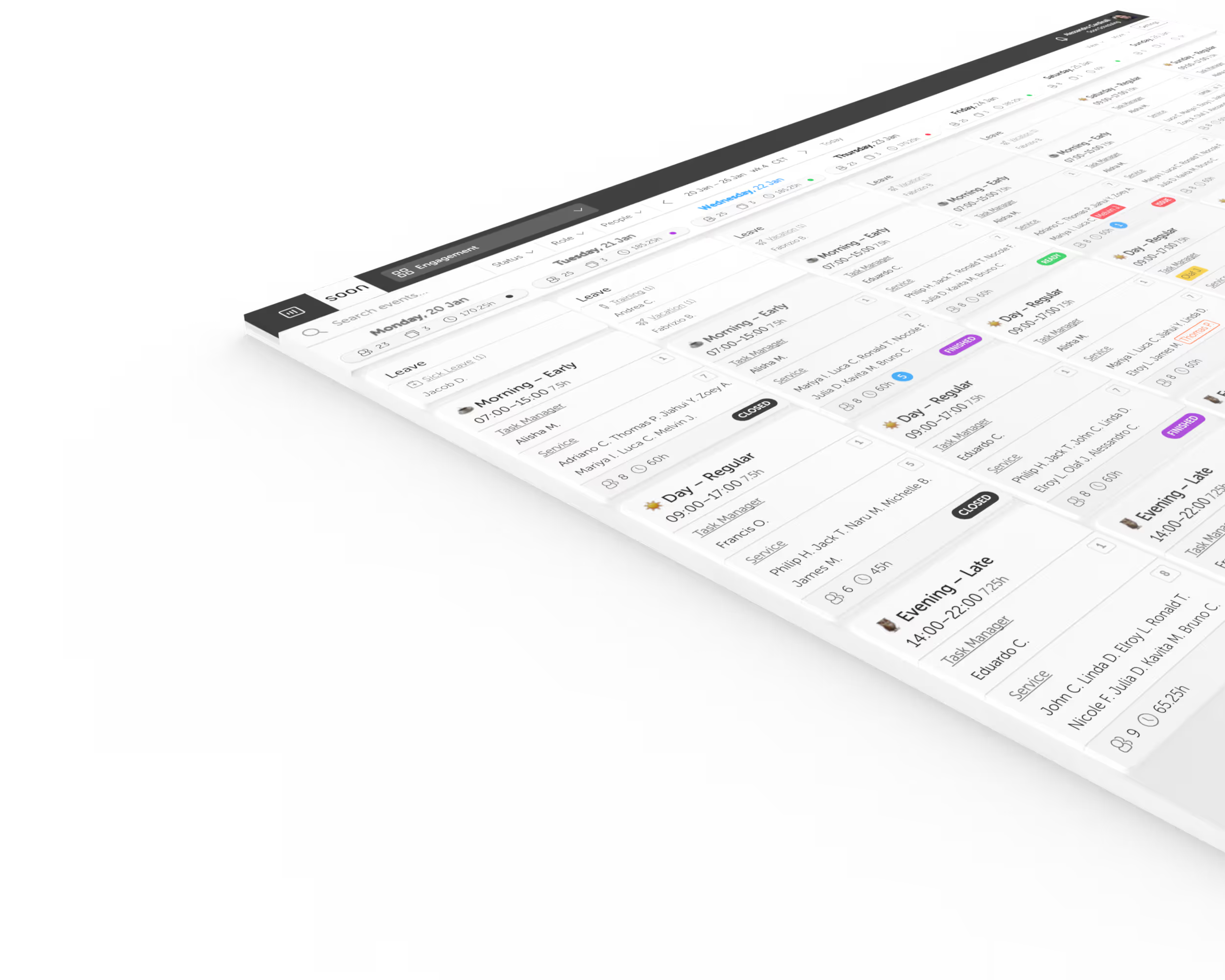
Soon helps when remote productivity problems are really workload and coordination problems. Scheduling, capacity visibility, and intraday planning make it easier to see whether people are overloaded, underused, or stuck in reactive work.

That gives managers a better operating picture than raw activity tracking alone.

Read next

Keep going with the pages that matter most here

If this problem sounds familiar, these are the next places worth reading.

FAQ

A few questions that usually come next

Can you measure remote productivity without invasive monitoring?

Yes. In many cases, workflow visibility, task flow, and capacity data explain more than screen monitoring ever will.

What is the first metric to look at for remote productivity?

Usually blocked work or work waiting for handoff. That often reveals more than time logged.

Your next schedule could take 2 minutes.

Import your team, set your rules, hit auto-fill. Most teams are live the same day.

Try Soon free

30 days free ยท No credit card required

Already have an account? Sign in