Skip to content
Solutions

How to measure productivity instead of just measuring hours

Hours tell you how long people were present. Productivity tells you whether work moved. If your team is busy but goals still drift, you need metrics that describe flow, not just attendance.

  • Teams celebrate busyness more than completed work
  • Hours rise during crunch periods without much output gain
You might have asked

“I can see time spent, but I still cannot tell what good looks like.”

“Our busiest people are not always our most effective people.”

“We need better operating signals than hours and gut feel.”

What this usually means

What this search usually means in real life

This search usually comes from a team that has outgrown simplistic metrics. Hours are easy to count, but they are a weak proxy when work varies in complexity, interruptions are common, and output depends on handoffs.

The better question is what actually defines progress in your operation.

Teams celebrate busyness more than completed work

Hours rise during crunch periods without much output gain

Managers struggle to compare teams fairly

Blocked work stays invisible in reporting

Productivity conversations default to opinion instead of evidence
Where it breaks

What is probably going wrong

Most teams need a mix of metrics: throughput, queue health, response or completion speed, rework, and protected time for focused work. Hours can stay in the picture, but they should not run the whole conversation.

This is especially true in operations teams where interruptions and scheduling pressure shape output all day.

Teams celebrate busyness more than completed work

Hours rise during crunch periods without much output gain

Managers struggle to compare teams fairly

Blocked work stays invisible in reporting

Productivity conversations default to opinion instead of evidence

What to fix

What to fix first

Most teams do not need a dramatic overhaul first. They need a cleaner operating loop so planning, changes, and execution stop fighting each other.

Define what finished work looks like for each team

Track throughput, queue age, and blocked work next to hours

Measure rework and handoff delay, not just raw completion count

Look at staffing pressure and interruption load when productivity dips

Use hour data as context, not as the main score

Read this next

Where Soon helps

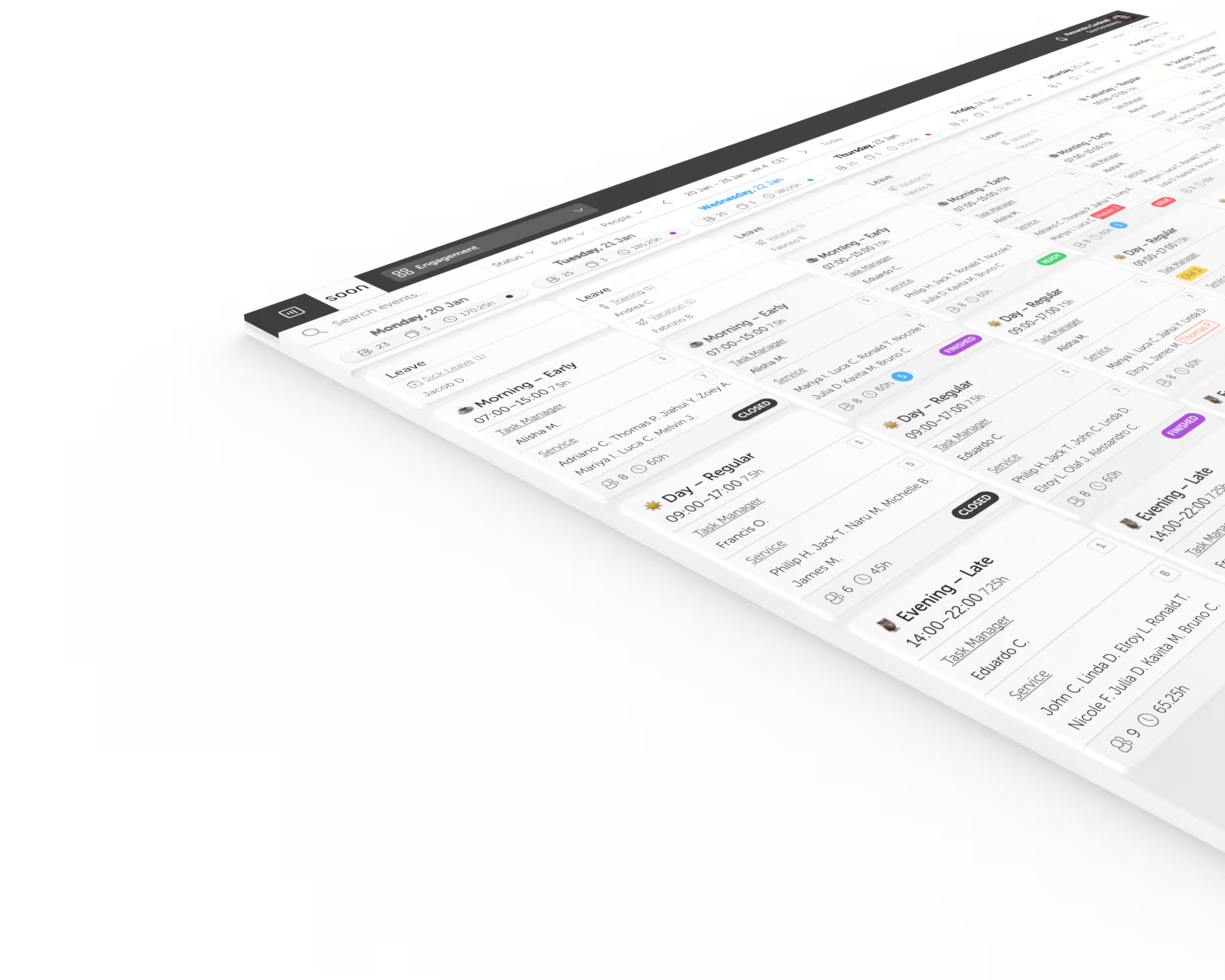
Soon supports a more operational view of productivity. Capacity, coverage, and intraday visibility help teams understand whether people had the time and conditions to do meaningful work, not just be present.

That makes productivity reviews much more useful than simple time comparisons.

Read next

Keep going with the pages that matter most here

If this problem sounds familiar, these are the next places worth reading.

FAQ

A few questions that usually come next

What is a better productivity metric than hours?

Usually a combination of throughput, queue age, blocked work, and quality or rework. The right mix depends on the teamโ€™s workflow.

Should hours still be tracked?

Yes, but as context. Hours can help explain capacity and attendance, while output and flow metrics explain performance much better.

Your next schedule could take 2 minutes.

Import your team, set your rules, hit auto-fill. Most teams are live the same day.

Try Soon free

30 days free ยท No credit card required

Already have an account? Sign in