Skip to content
Solutions

Capacity planning tools for small business teams that need better workload visibility

Small businesses usually start capacity planning in a spreadsheet because it feels simple. Then demand changes, priorities collide, and the team keeps learning too late that there was never enough real capacity in the week.

  • The team says yes too often and recovers later
  • Urgent work constantly pushes planned work aside
You might have asked

“We keep overcommitting without meaning to.”

“The schedule is full, but I still cannot tell if we have enough room for the work.”

“I need a clearer view of workload before the week gets messy.”

What this usually means

What this search usually means in real life

Capacity planning is the bridge between demand and the rota. It tells you whether the work you expect actually fits inside the people and time you have available.

Without that layer, scheduling often becomes a cosmetic exercise where the week looks covered but delivery still suffers.

The team says yes too often and recovers later

Urgent work constantly pushes planned work aside

Managers only discover overload after targets slip

There is no clean view of spare capacity by team or role

Staffing decisions depend on instinct more than evidence

Where it breaks

What is probably going wrong

Small businesses do not need complicated mathematical models to benefit from capacity planning. They do need a reliable way to compare expected workload with actual staffing and available time.

That is especially important when teams are lean and every staffing miss hurts quickly.

The team says yes too often and recovers later

Urgent work constantly pushes planned work aside

Managers only discover overload after targets slip

There is no clean view of spare capacity by team or role

Staffing decisions depend on instinct more than evidence

What to fix

What to fix first

Most teams do not need a dramatic overhaul first. They need a cleaner operating loop so planning, changes, and execution stop fighting each other.

Estimate demand before finalizing the schedule

Separate committed work from probable reactive work

Make team and role capacity visible in one place

Review overload patterns weekly so the forecast improves

Use planning data to protect high-priority work from constant interruption

Read this next

Where Soon helps

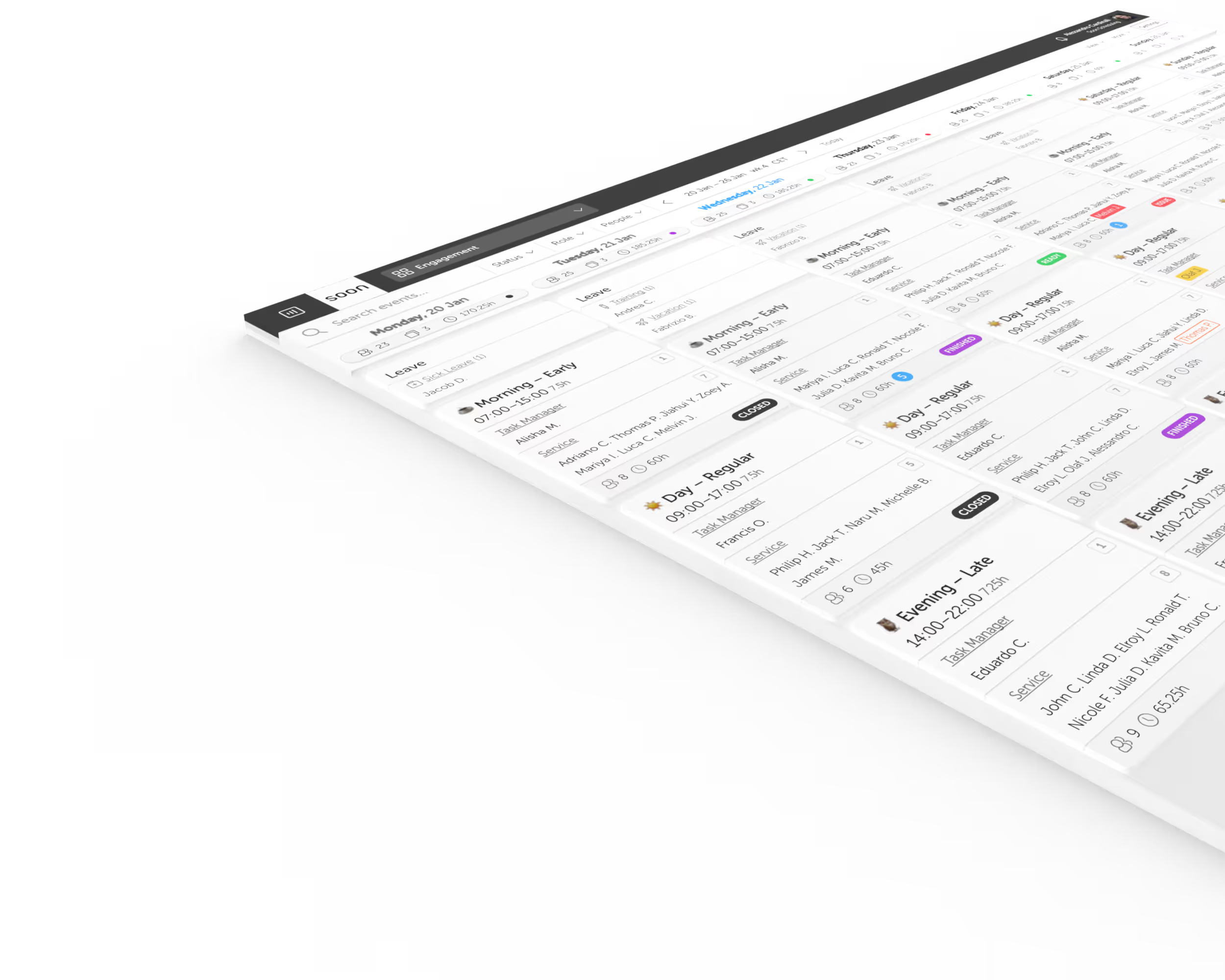
Soon connects capacity thinking with day-to-day scheduling. Forecasts, staffing, and intraday adjustments live closer together, which helps small businesses plan more realistically and react faster when the week changes shape.

That is often enough to stop living in permanent catch-up mode.

Read next

Keep going with the pages that matter most here

If this problem sounds familiar, these are the next places worth reading.

FAQ

A few questions that usually come next

Do small businesses really need capacity planning tools?

Yes, especially when teams are lean. Small businesses feel overload faster, so even simple capacity planning can prevent repeated overcommitment.

What is the first sign a team needs capacity planning?

When targets slip even though the schedule looks full, or when urgent work keeps displacing planned work, capacity planning usually becomes necessary.

Your next schedule could take 2 minutes.

Import your team, set your rules, hit auto-fill. Most teams are live the same day.

Try Soon free

30 days free ยท No credit card required

Already have an account? Sign in