Skip to content
Solutions

How to plan 24/7 shift coverage without constant gaps

Set minimum staffing for every hour, pick a rotation pattern people can live with, build in handoff time, and treat nights and weekends as real shifts rather than afterthoughts, then add leave and absence buffers on top. Filling 168 hours is the easy part. Keeping the pattern sustainable month after month is the real work.

  • Define minimum staffing for every hour
  • Choose shift lengths and rotation rules
You might have asked

“We need round-the-clock coverage.”

“The roster looks covered until someone takes leave.”

“Night shifts and weekends are creating gaps.”

What this usually means

Short answer

A 24/7 plan starts with 168 hours of coverage a week. Multiply that by how many people each hour needs, convert it into paid shifts, then add buffers for leave, sickness, training, and handoffs.

Skip the buffer and the roster looks complete on paper, right up until the first person calls in sick and the gap has nowhere to go.

Define minimum staffing for every hour

Choose shift lengths and rotation rules

Include handoff overlap where context matters

Plan weekends and nights as first-class shifts

Add absence and leave coverage before publishing
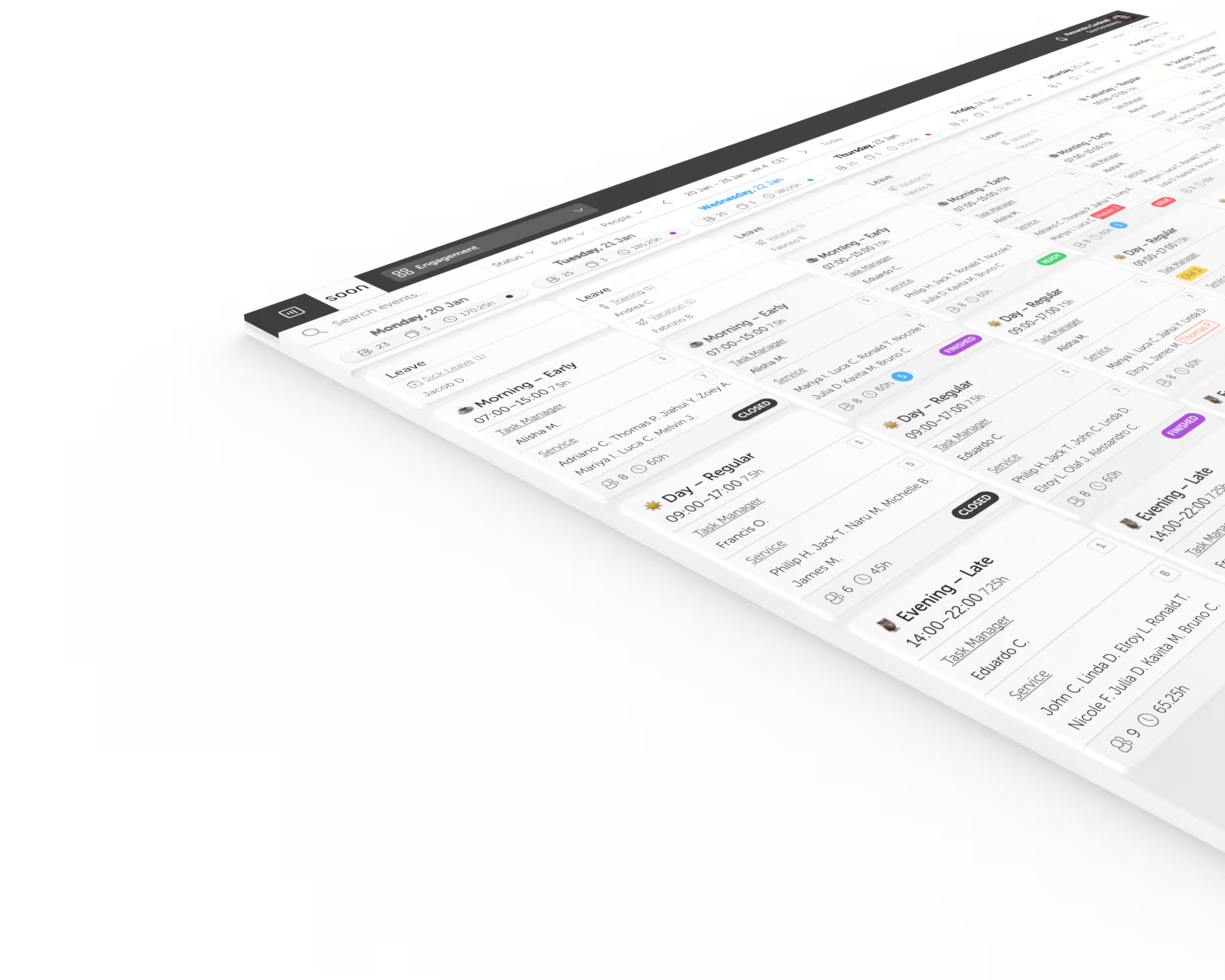
What to fix

A practical planning sequence

Start with your own demand and risk, not a rotation borrowed from another team. Some operations need flat coverage around the clock; others need a heavy daytime presence and a lean, safe skeleton overnight. Copying a pattern that fit someone else is how gaps get baked in.

Map required coverage hour by hour

Mark skills or roles that must always be present

Test 8, 10, and 12-hour shift options

Check rest rules and fatigue risk

Review whether weekends and nights rotate fairly

Read next

Keep going with the pages that matter most here

If this problem sounds familiar, these are the next places worth reading.

FAQ

A few questions that usually come next

How many hours does 24/7 coverage require?

A single continuous position needs 168 covered hours a week, and that is before you add breaks, leave, sickness, training, and handoff time, which is why one position rarely means one person.

Why do 24/7 schedules fail?

They cover the normal week but not the real one. The gaps show up where the plan ignored absence buffers, handoffs, fatigue, weekends, nights, or skill minimums.

Your next schedule could take 2 minutes.

Import your team, set your rules, hit auto-fill. Most teams are live the same day.

Try Soon free

30 days free ยท No credit card required

Already have an account? Sign in