Skip to content
Solutions

What are my employees actually doing all day, and how do I find out usefully?

If you have reached this question, it usually means the team feels busy but the results feel blurry. The answer is rarely โ€œwatch them harder.โ€ It is usually โ€œmake the work and interruptions visible enough to understand the day.โ€

  • Managers get anecdotes instead of clean operational signal
  • Employees feel watched but not supported
You might have asked

“The team is busy, but I cannot clearly see the output.”

“Every day feels full, yet the important work still moves slowly.”

“I need better visibility without turning everyone defensive.”

What this usually means

What this search usually means in real life

Managers ask this when the workday feels opaque. Tasks move across tools, messages interrupt planned work, and exception handling eats capacity quietly. Without a shared operating view, it becomes hard to separate necessary work from drift.

That often creates frustration on both sides.

Managers get anecdotes instead of clean operational signal

Employees feel watched but not supported

The same โ€œwhere did the day goโ€ feeling keeps coming back

No one can quantify how much time goes to admin, waiting, or rework

Schedule adjustments happen without a clear record of impact
Where it breaks

What is probably going wrong

This question is best treated as a visibility problem. If the workflow is unclear, managers infer too much from presence, and employees feel unfairly judged.

A better system shows queue movement, exceptions, workload mix, and where time is getting redirected.

Managers get anecdotes instead of clean operational signal

Employees feel watched but not supported

The same โ€œwhere did the day goโ€ feeling keeps coming back

No one can quantify how much time goes to admin, waiting, or rework

Schedule adjustments happen without a clear record of impact

What to fix

What to fix first

Most teams do not need a dramatic overhaul first. They need a cleaner operating loop so planning, changes, and execution stop fighting each other.

Make planned work, reactive work, and blocked work visible separately

Review the biggest interruption sources across the week

Track where people wait on approvals or inputs

Use schedules and capacity plans to protect core work

Treat visibility as a way to improve the system, not only to police people

Read this next

Where Soon helps

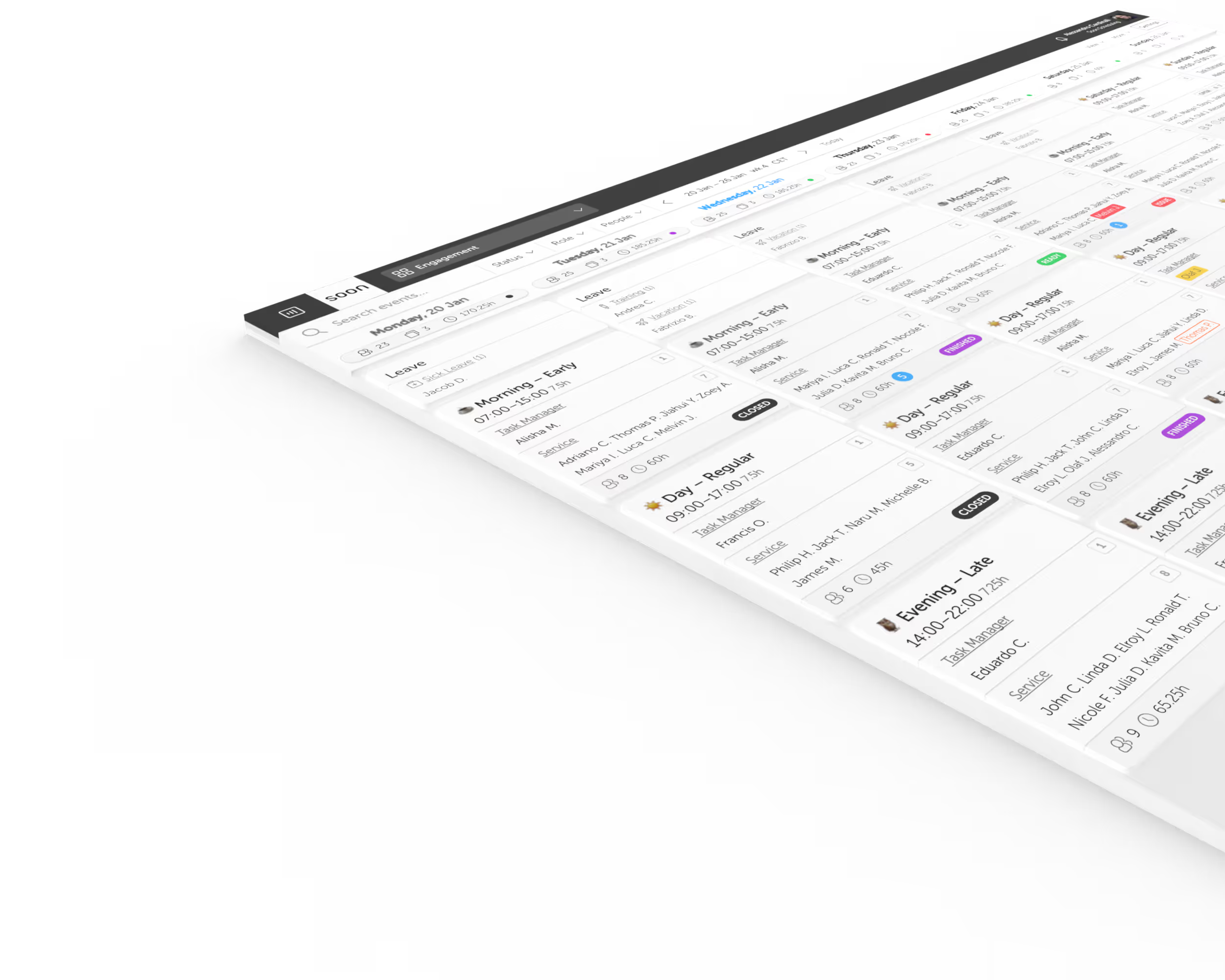
Soon helps answer this question in a more useful way. Managers can see how coverage, workload, and intraday changes shaped the day, which leads to better planning and fairer conversations.

That is a much healthier path than relying on suspicion or fragmented activity logs.

Read next

Keep going with the pages that matter most here

If this problem sounds familiar, these are the next places worth reading.

FAQ

A few questions that usually come next

Is asking what employees do all day always a red flag?

Not necessarily. It often signals that managers lack workflow visibility and need a clearer operating picture, not that they want to micromanage.

How do you answer this question without invading privacy?

Focus on workflow, interruptions, queue movement, and blocked work. That explains the day without turning to invasive surveillance.

Your next schedule could take 2 minutes.

Import your team, set your rules, hit auto-fill. Most teams are live the same day.

Try Soon free

30 days free ยท No credit card required

Already have an account? Sign in