Skip to content
Solutions

How to reduce time theft without building a culture nobody wants

Teams usually search this after noticing a pattern: long breaks, late starts, buddy punching, too much idle time, or hours that do not line up with output. The temptation is to reach for stricter monitoring first. The better move is usually to tighten the workflow and make exceptions visible.

  • Patterns of lateness or extended breaks keep recurring
  • Managers rely on gut feel instead of clean records
You might have asked

“I do not want to accuse people, but something is off.”

“We are paying for hours that do not feel real.”

“The schedule says one thing, the day looks different.”

What this usually means

What this search usually means in real life

Time theft is a loaded phrase, and it often hides several different issues under one label. Sometimes it is abuse. Sometimes it is vague shift expectations, poor attendance handling, or managers who only discover problems after payroll.

That matters because the fix changes depending on what is actually happening.

Patterns of lateness or extended breaks keep recurring

Managers rely on gut feel instead of clean records

The team debates fairness because there is no shared evidence

Coverage gaps show up even when the rota looked full

Tighter supervision creates more resentment than clarity
Where it breaks

What is probably going wrong

If the system makes exceptions hard to see, managers end up using suspicion as a substitute for process. That usually creates a worse culture and still does not solve the root issue.

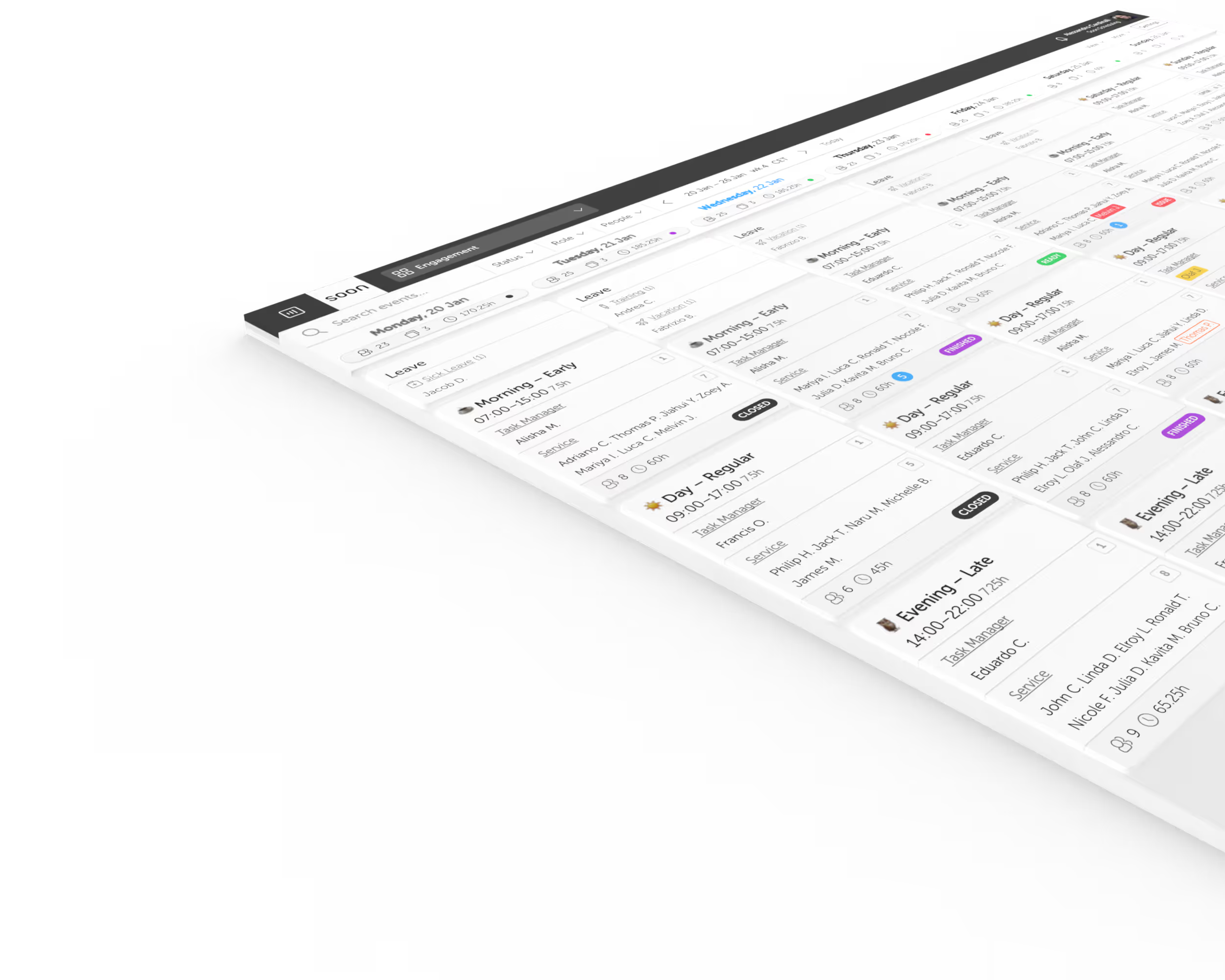
A better approach is to make planned time, actual time, and operational impact visible in one place.

Patterns of lateness or extended breaks keep recurring

Managers rely on gut feel instead of clean records

The team debates fairness because there is no shared evidence

Coverage gaps show up even when the rota looked full

Tighter supervision creates more resentment than clarity

What to fix

What to fix first

Most teams do not need a dramatic overhaul first. They need a cleaner operating loop so planning, changes, and execution stop fighting each other.

Track attendance against planned shifts so exceptions are concrete

Handle repeated patterns consistently instead of case by case

Make expectations about start times, breaks, and swaps explicit

Use clean approval and change records so fairness conversations stay factual

Look for workload or scheduling causes before assuming bad intent

Read this next

Where Soon helps

Soon helps teams tighten the operational side first. When schedule changes, attendance issues, and coverage impact are visible, managers can act earlier and with better context.

That tends to reduce abuse and reduce needless suspicion at the same time.

Read next

Keep going with the pages that matter most here

If this problem sounds familiar, these are the next places worth reading.

FAQ

A few questions that usually come next

Is time theft mostly a people problem or a process problem?

Usually both. Some cases are clearly behavioral, but weak visibility and inconsistent rules often let the pattern continue longer than it should.

What should managers fix before adding heavier monitoring?

Get clean shift expectations, attendance visibility, and exception handling in place. Without those, monitoring just creates more noise.

Your next schedule could take 2 minutes.

Import your team, set your rules, hit auto-fill. Most teams are live the same day.

Try Soon free

30 days free ยท No credit card required

Already have an account? Sign in