Skip to content
Solutions

Employee scheduling software for small businesses that are tired of patching the rota

Small teams do not need enterprise workforce software. They do need a calmer way to handle shifts, availability, leave, swaps, and last-minute changes without one manager living inside a spreadsheet.

  • One person becomes the unofficial keeper of the rota
  • Staff ask if the latest version is in email, chat, or the shared drive
You might have asked

“We are only 20 or 30 people, but scheduling still eats half a day.”

“The rota is technically in Excel, but the real schedule lives in WhatsApp.”

“Every absence turns into a scavenger hunt.”

What this usually means

What this search usually means in real life

This search usually comes from an owner or team lead who feels like the business is still small enough to manage manually, but big enough that manual scheduling keeps blowing up the week.

The problem is not just writing names into boxes. The problem is keeping one version of the truth when availability changes, someone asks for leave, and shifts need to move fast.

One person becomes the unofficial keeper of the rota

Staff ask if the latest version is in email, chat, or the shared drive

Time-off requests arrive after the schedule is already published

Fairness gets debated because there is no clear history

Managers spend more time fixing the schedule than coaching the team
Where it breaks

What is probably going wrong

A small business usually does not need more bureaucracy. It needs fewer moving parts. When scheduling, leave, and updates live in separate places, the operation feels bigger and messier than it really is.

That is why basic scheduling pain often shows up before headcount looks huge. The friction comes from coordination, not just team size.

One person becomes the unofficial keeper of the rota

Staff ask if the latest version is in email, chat, or the shared drive

Time-off requests arrive after the schedule is already published

Fairness gets debated because there is no clear history

Managers spend more time fixing the schedule than coaching the team

What to fix

What to fix first

Most teams do not need a dramatic overhaul first. They need a cleaner operating loop so planning, changes, and execution stop fighting each other.

Keep availability, approved leave, and the live schedule in one workflow

Give staff a self-service place to see shifts and request changes

Publish one live schedule instead of sending fresh files every time

Track who changed what so fairness conversations stay factual

Use a tool that saves time without forcing a long setup project

Read this next

Where Soon helps

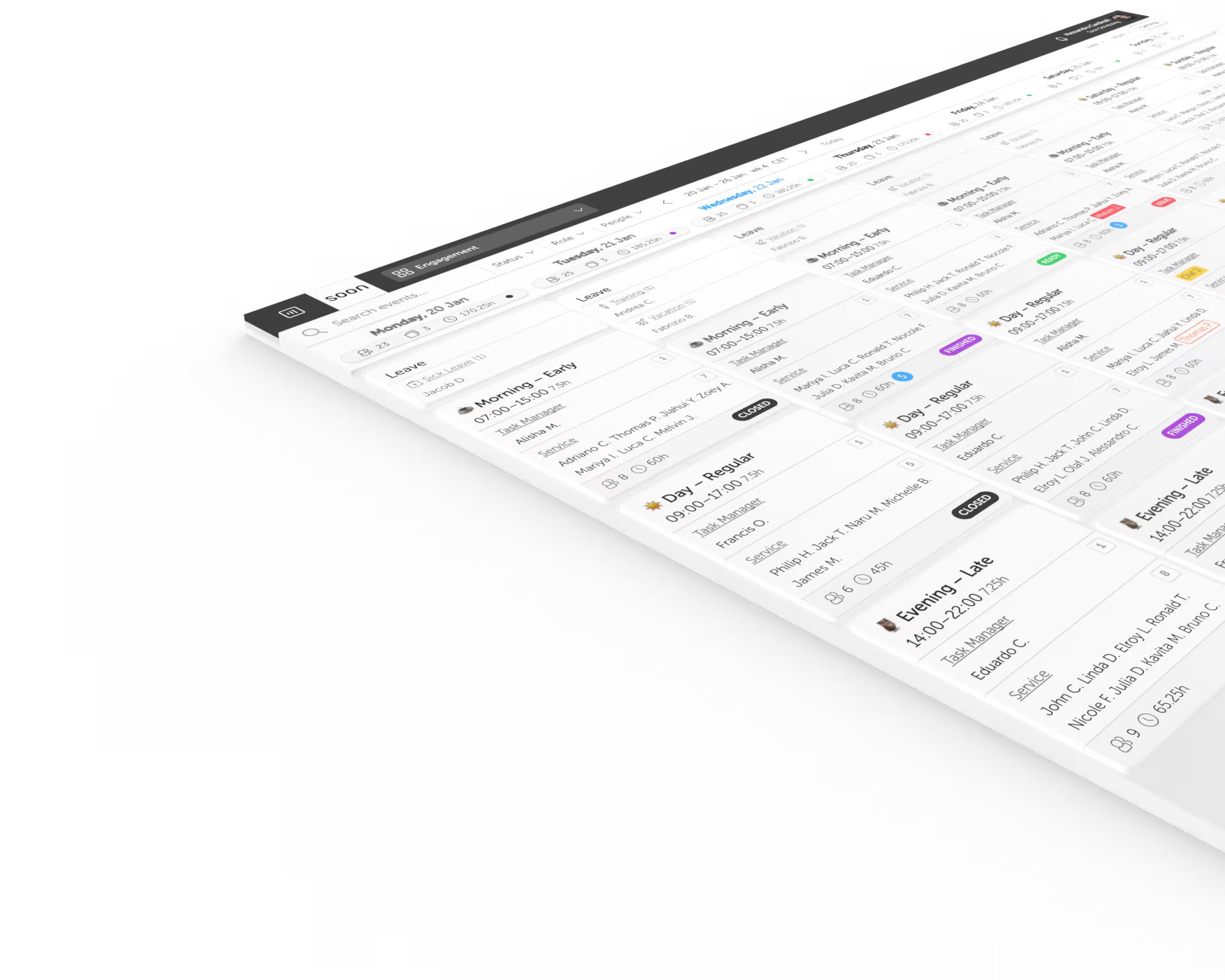
Soon is a strong fit when you want proper employee scheduling software without buying a heavy WFM platform. Managers get a clear weekly planning view, staff can stay updated without chasing the latest file, and changes stop bouncing between inboxes and chats.

For a growing business, that matters more than flashy features. The win is that scheduling becomes routine again.

Read next

Keep going with the pages that matter most here

If this problem sounds familiar, these are the next places worth reading.

FAQ

A few questions that usually come next

How big should a team be before it stops using spreadsheets for scheduling?

Usually earlier than people expect. Once availability changes often, or multiple managers touch the rota, spreadsheets start creating version problems long before the team is large.

What should a small business look for first in scheduling software?

A live schedule, employee self-service, leave handling, and an easy way to manage changes. Those remove the most admin fastest.

Your next schedule could take 2 minutes.

Import your team, set your rules, hit auto-fill. Most teams are live the same day.

Try Soon free

30 days free ยท No credit card required

Already have an account? Sign in