Skip to content
Solutions

Why your team is not more productive even with time tracking

Time tracking can tell you that people were busy. It cannot tell you whether the work was the right work, whether it kept getting interrupted, or whether the real delay sits in a queue nobody owns.

  • Lots of logged time with little finished work
  • People switch between tasks all day
You might have asked

“We finally have the data, but nothing feels better.”

“People log time all week and deadlines still slip.”

“The dashboards show effort, not progress.”

What this usually means

What this search usually means in real life

Teams often hope time tracking will create accountability by itself. Sometimes it helps. But if output is still weak, the bigger issue is usually prioritization, workflow design, or too much work-in-progress.

That is why more visibility into hours can still leave managers feeling stuck.

Lots of logged time with little finished work

People switch between tasks all day

Meeting load and interruptions are not visible in the data

Blocked work sits in limbo while everyone stays busy

Managers review timesheets and still cannot explain delays
Where it breaks

What is probably going wrong

Time tracking is a lagging record. Productivity is a flow problem. If work arrives in bursts, priorities keep changing, or approvals move slowly, the hours data will not tell you what to fix.

The useful next step is to connect time signals to queue health, staffing pressure, and actual delivery pace.

Lots of logged time with little finished work

People switch between tasks all day

Meeting load and interruptions are not visible in the data

Blocked work sits in limbo while everyone stays busy

Managers review timesheets and still cannot explain delays

What to fix

What to fix first

Most teams do not need a dramatic overhaul first. They need a cleaner operating loop so planning, changes, and execution stop fighting each other.

Look at throughput, blocked work, and queue age alongside time

Reduce task switching by protecting work blocks in the schedule

Track recurring interruptions that break productive time

Clarify ownership for approvals and handoffs

Use capacity planning to match workload with the time people actually have

Read this next

Where Soon helps

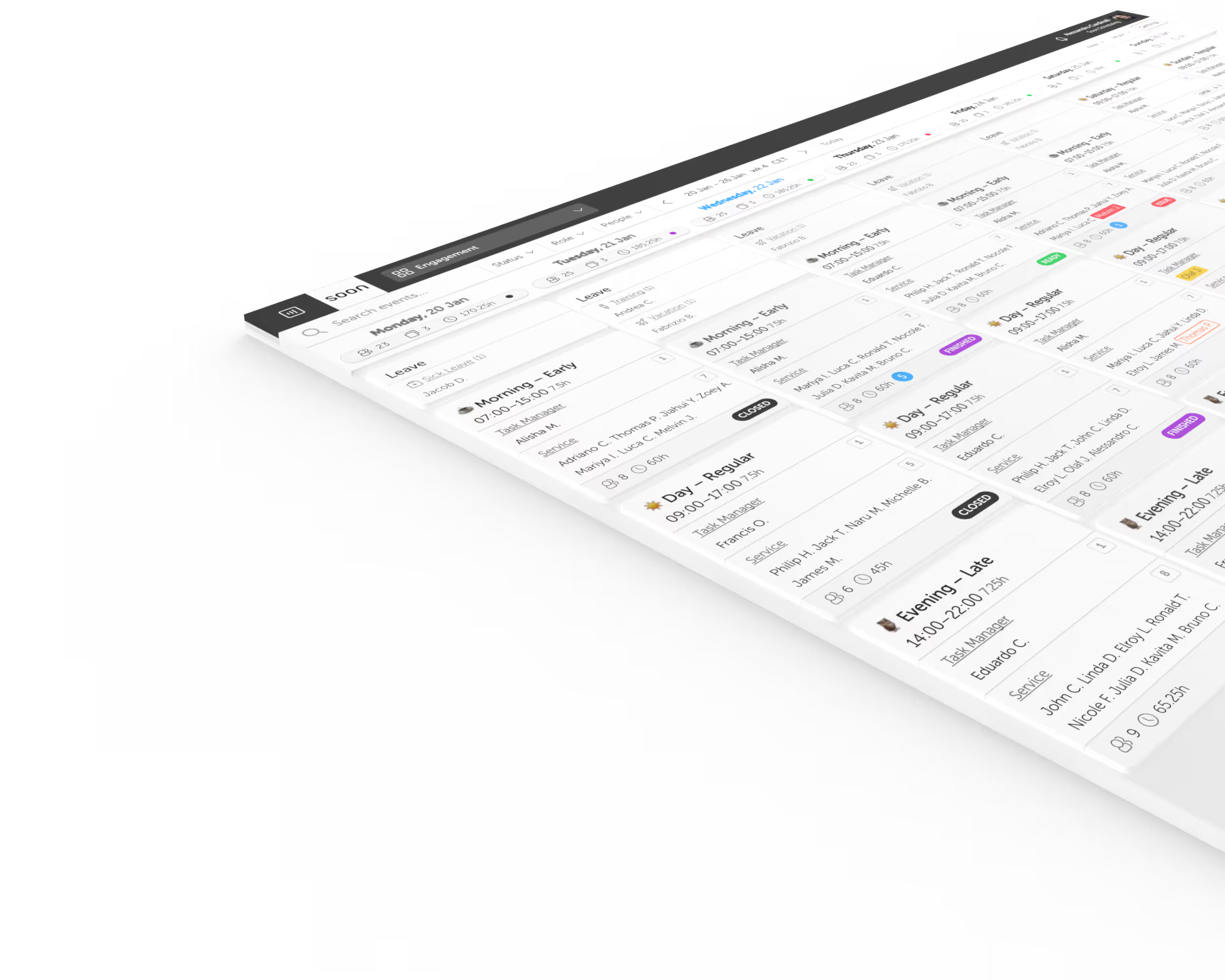
Soon helps teams move from โ€œwho was busyโ€ to โ€œwhat slowed the work down.โ€ Capacity visibility and intraday planning show whether the team had enough usable time for the workload in front of it.

That is often the missing link after time tracking alone disappoints.

Read next

Keep going with the pages that matter most here

If this problem sounds familiar, these are the next places worth reading.

FAQ

A few questions that usually come next

Why does time tracking fail to improve productivity on its own?

Because it records effort, not flow. It rarely explains interruptions, blocked work, or poor prioritization without more operational context.

What should teams measure next after time tracking?

Throughput, blocked work, queue age, and meeting or interruption load. Those point more directly to why work is slowing down.

Your next schedule could take 2 minutes.

Import your team, set your rules, hit auto-fill. Most teams are live the same day.

Try Soon free

30 days free ยท No credit card required

Already have an account? Sign in