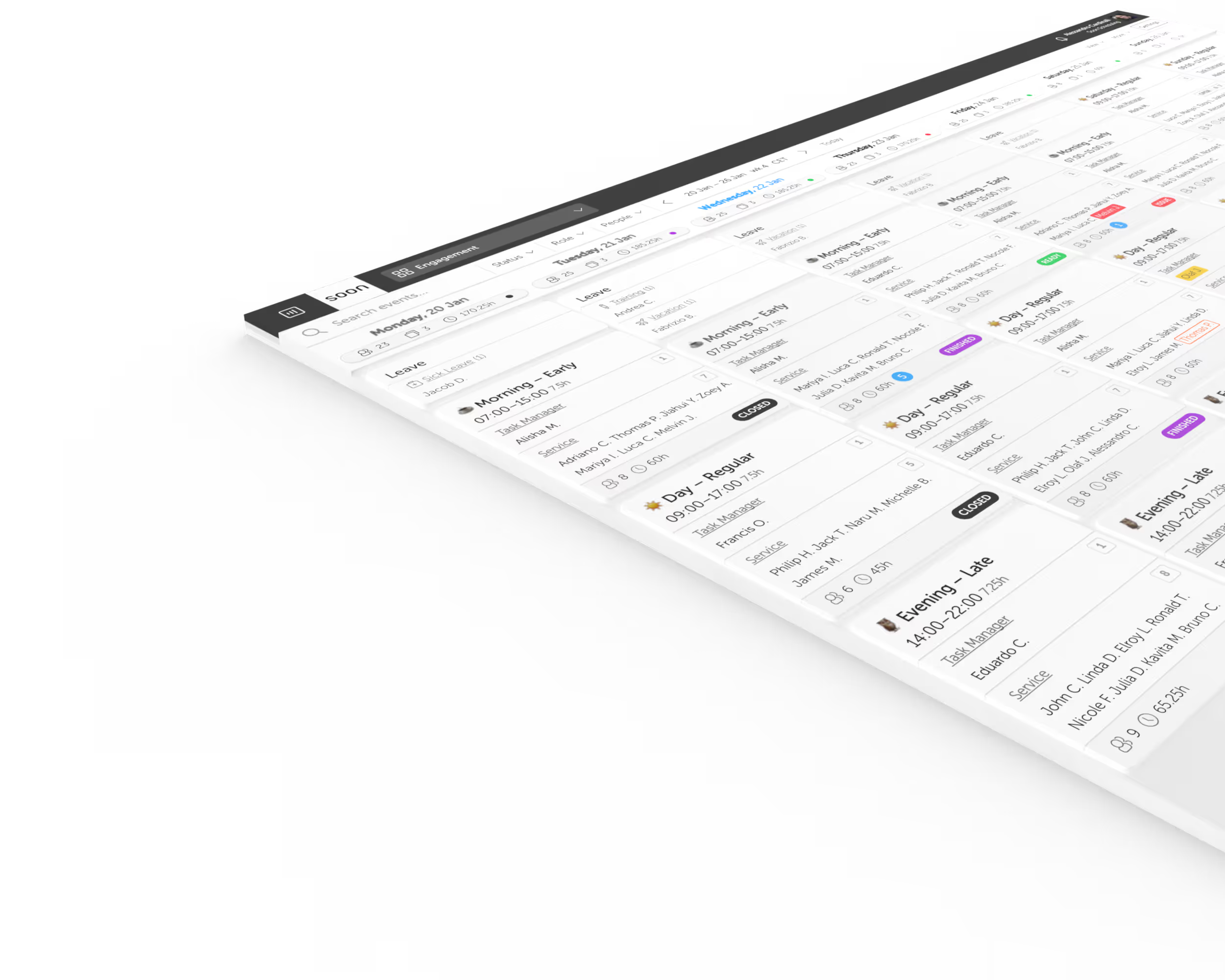
Clinic Shift Scheduling Blueprint
A practical guide to clinic shift scheduling that protects coverage floors, role mix, handoffs, and short-notice change handling without turning every week into a manual exception process.
Audience
Clinic managers, schedulers, practice managers, and operations leads building recurring healthcare shift schedules
Time
45 to 60 minutes to define the schedule framework, then one rota cycle to refine it
Before you start
Use this blueprint when
- Your clinic has recurring shift patterns but still relies on heavy manual intervention
- Lunch coverage, handoffs, and role mix are creating more friction than the headline schedule suggests
- Managers are solving the same schedule conflicts every week
- Short-notice changes are exposing weak points in the core shift design
- You need a shift structure that works before the day-of recovery process begins
Prerequisites
- A list of recurring coverage windows by clinic area or function
- Role and credential requirements for each shift type
- A clear owner for schedule publication and same-day changes
- Recent examples of recurring shift conflicts or coverage breakdowns
Inputs needed
- Current clinic shift templates
- Minimum safe coverage by role and time window
- Break, lunch, or handoff constraints
- Common absence, swap, and overtime patterns
- Patient load patterns by day or daypart
Steps
Build around coverage floors, not ideal templates
The schedule should start from what must be protected, not from the neatest repeating pattern.
Define the minimum safe staffing level for each part of the clinic day, then design shifts around those non-negotiables. If templates come first, managers end up solving the same structural gap over and over.
Design role mix and handoffs into the schedule
A filled shift is not automatically a usable shift.
Check whether each shift has the right clinical and operational mix, who covers breaks, and how work transfers at the edges of the day. This is where many clinic schedules look fine in a spreadsheet but fail in practice.
Define what can flex and what cannot
Some parts of a clinic schedule are negotiable. Others should trigger review immediately.
Decide which shift elements can move, which require manager approval, and which cannot be touched without risking patient flow or safe coverage. That keeps weekly changes from slowly dismantling the original design.
Connect weekly shift design to same-day staffing reality
A good shift schedule lowers same-day chaos because it gives recovery paths room to work.
Use the recurring shift design as the base layer, then connect it to the broader healthcare staffing operations workflow for callouts, substitutions, and daily reprioritization.
Review the schedule by recurring stress points
You are looking for the clinic’s repeating weak spots, not just obvious misses.
Review which shift edges, lunch windows, roles, or weekdays create repeated intervention. Those are often the true design flaws in the schedule, and fixing them gives more leverage than trying to micromanage every swap.
Implementation checklist
0/6Clinic shift scheduling is usually treated as a weekly administration task, but most of its consequences show up in operations. If the shift design does not protect the right coverage points, the clinic pays for it every day in delays, reschedules, and manual intervention.
A strong shift schedule does not eliminate change. It makes the clinic easier to recover when change happens.